Drip lines water planting areas directly. Their effectiveness depends not only on the pipe itself but also on layout, operating pressure and the individual conditions in a bed.
Water where the plants need it
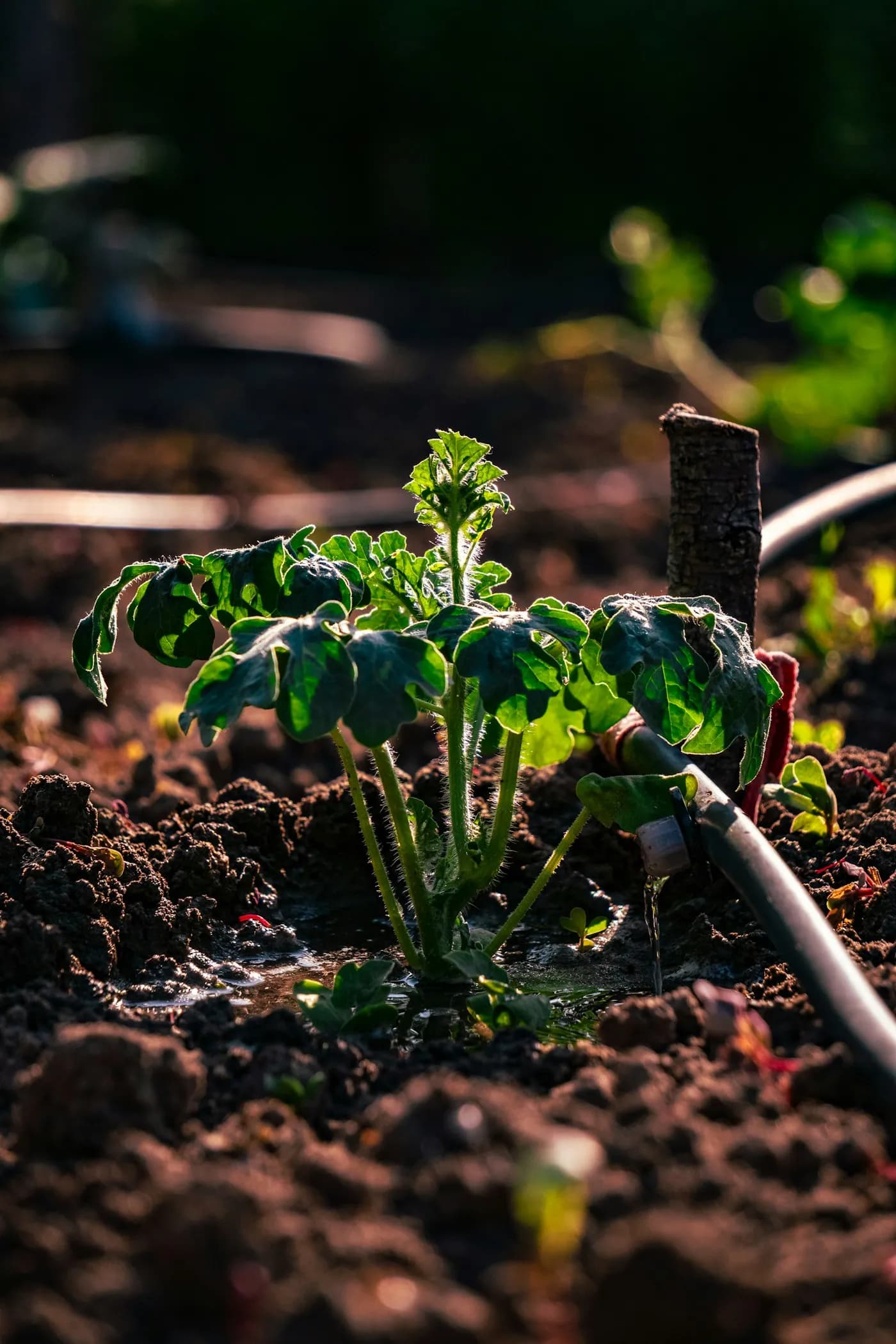
In drip irrigation, emitters release water near the plants rather than spraying the entire surface. This can be useful for hedges, perennial beds and planted strips.
How evenly the water reaches the roots depends on soil characteristics, pipe type, emitter spacing and how long the system operates.
Not every drip line suits every bed
Drip lines differ in emitter spacing and flow rate. Pressure-compensating types may be useful for long runs or uneven ground. The correct choice depends on the installation.
The number of rows should suit both the width of the planting bed and how the plants are positioned.
Choose suitable pipe and emitter spacing
Account for run length, slope and pressure
Include filtration and maintenance access
Consider filters, valves and controls together
Small emitter openings can be affected by dirt particles. Depending on the water source, filters and other components may be needed. Drip systems also need suitable pressure conditions.
A dedicated irrigation zone can make it easier to operate planted areas differently from lawn sprinklers.
Observe before simply increasing run times
When plants appear dry, a longer programme is not automatically the answer. First establish whether the zone is operating, whether emitters are delivering water and how the soil absorbs it.
Do not open pipes or filters under pressure. If a fault is unclear, arrange a professional inspection.
The essentials.
Effective drip irrigation combines the right line, careful installation and coordination with the water supply, controls and plants.
GOOD TO KNOW
Frequently asked questions.
Can I water lawns and hedges on one zone?+
Separating them is often sensible because sprinklers and drip lines operate differently. The final decision depends on the design.
Can drip irrigation use water from a rainwater tank?+
It may be possible. Pump capacity, filtration, pressure and water quality must suit the equipment.