Which parts of your garden need watering? Where will the water come from? Which irrigation methods suit your space? Good planning begins with understanding these foundations.
Understand the garden first
An irrigation system should suit the garden, not the other way round. Lawns, hedges, perennial beds and potted plants have different watering needs and often should not share one irrigation zone.
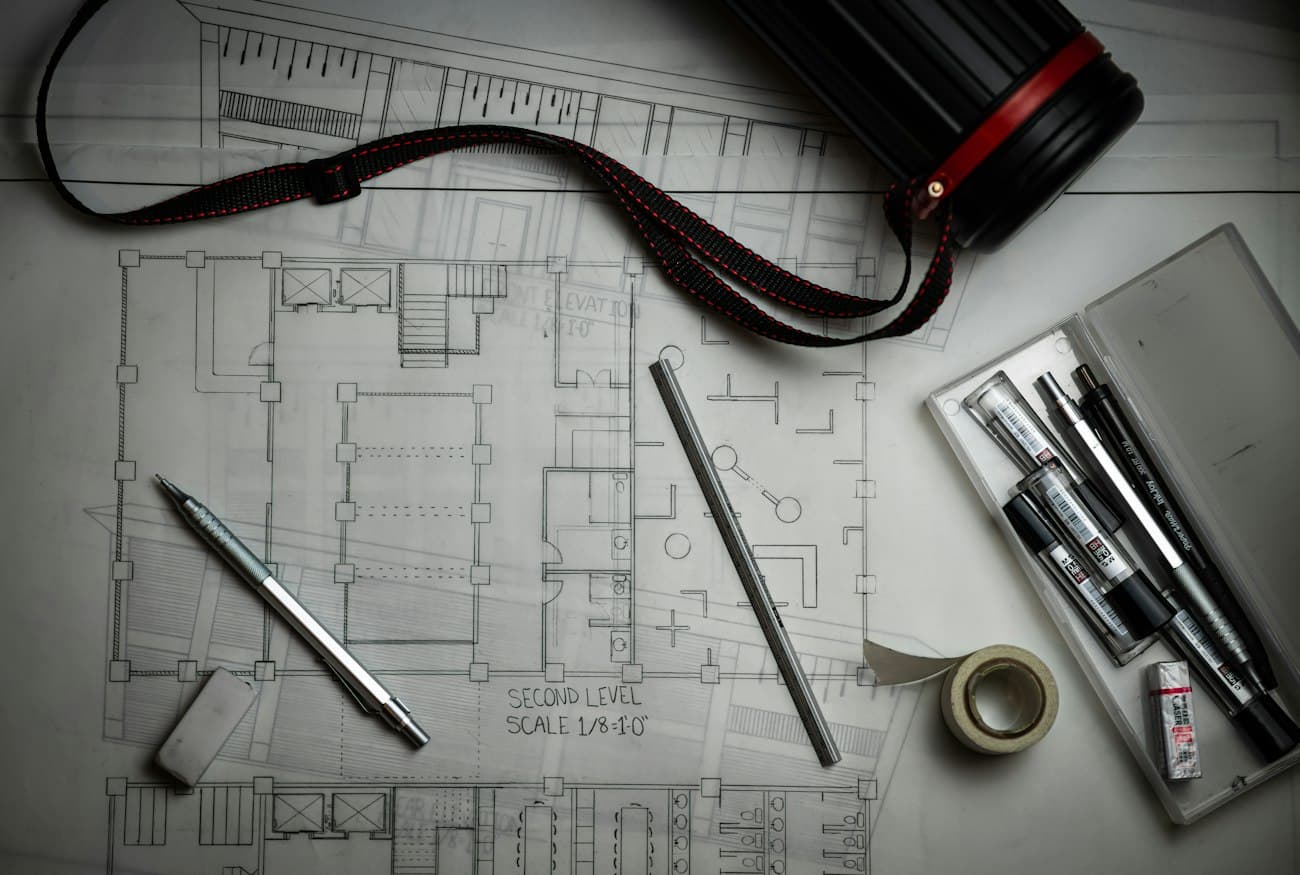
A garden plan or a simple dimensioned sketch is helpful. Include planting areas, paths, patios, water connections and the location of an electrical supply.
Record each area and its approximate size
Identify planting and differing water needs
Locate the mains connection, rainwater tank or well
Consider water pressure and flow
To reach their intended areas, sprinklers need an irrigation system designed around the available water capacity. Pressure alone does not tell you how much water can flow at the same time.
The number of zones, pipe diameters and components therefore depend on professional assessment of the water supply. Without that information, generic sprinkler counts offer little guidance.
Plan lawns and planting separately
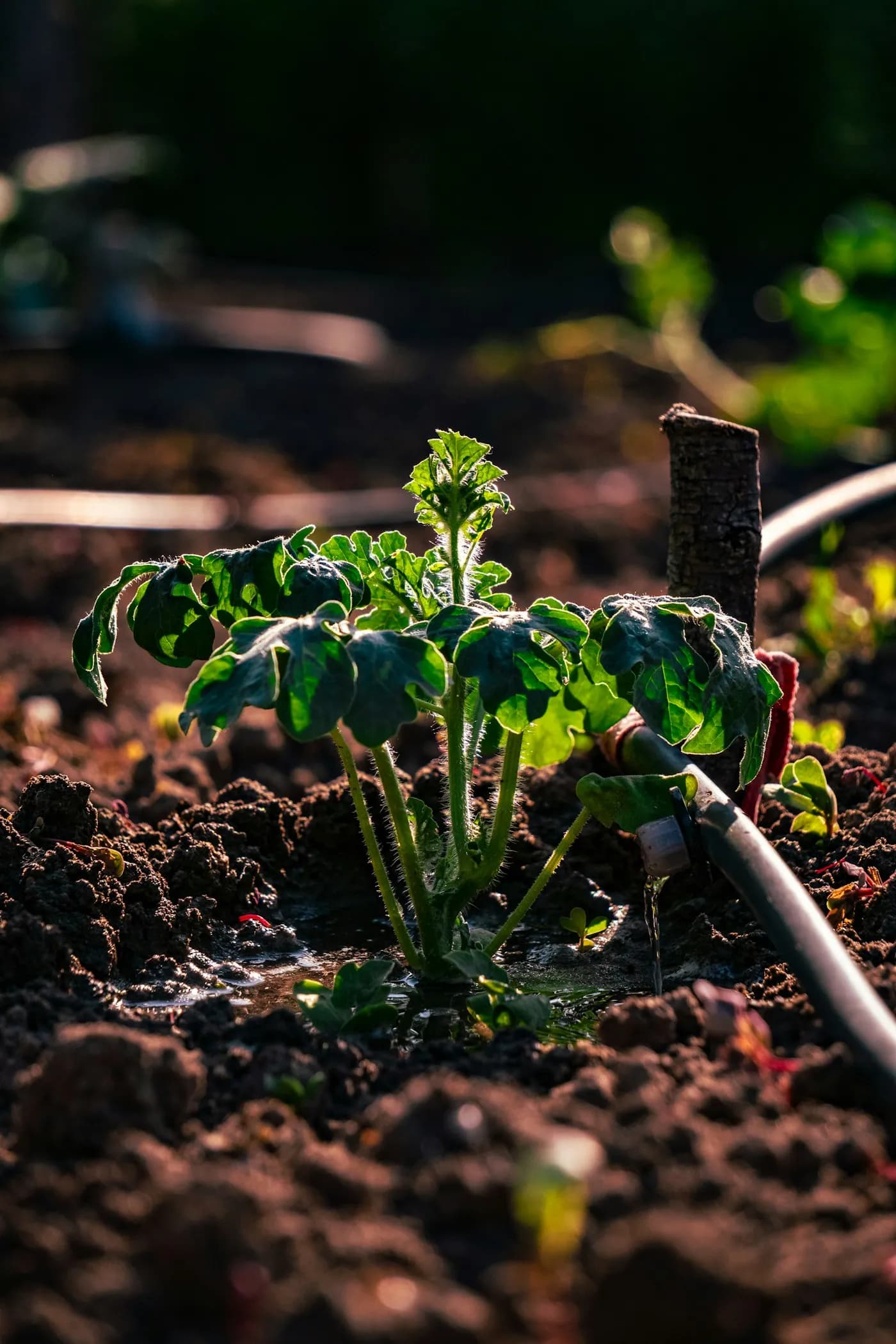
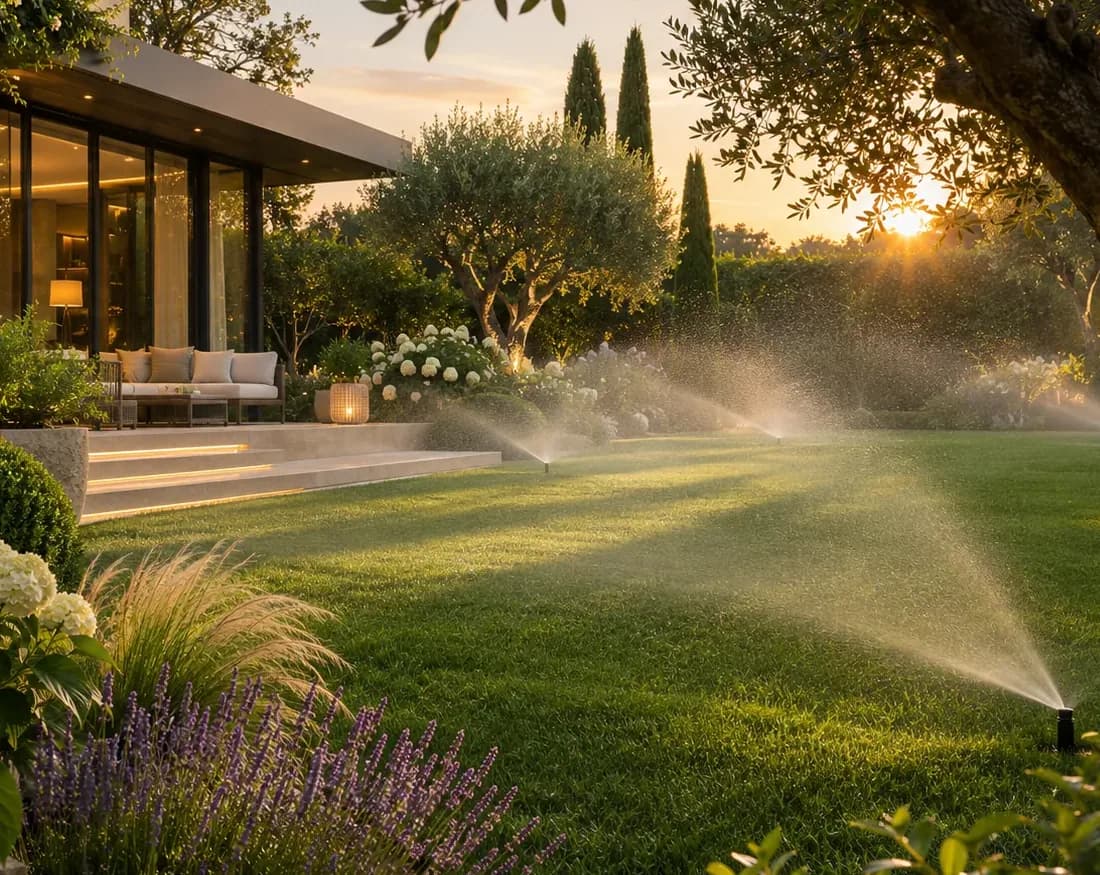
Pop-up sprinklers are often suitable for lawn areas. Drip lines can be a better choice for beds and hedges. Different garden areas should have watering methods and schedules suited to their plants.
Irregularly shaped gardens, narrow strips and changes in elevation require especially careful positioning of sprinklers and irrigation zones.
Include controls and maintenance from the start
A controller can run irrigation programmes automatically, while compatible sensors can interrupt watering in response to weather. Smartphone operation may be available but is not essential for every garden.
Valves, filters, supply connections and controllers must remain accessible for servicing. Preparing the system for winter should be considered during planning too.
The essentials.
Start with the garden, assess the water supply, design the zones, choose the components and only then install the irrigation system.
GOOD TO KNOW
Frequently asked questions.
Can I plan a system without a detailed garden drawing?+
Yes. Photos, measurements and a simple sketch are useful starting points. Technical details must then be checked against conditions on site.
How many irrigation zones does a garden need?+
There is no universal answer. The layout, plants, available water capacity and chosen components determine the appropriate division.